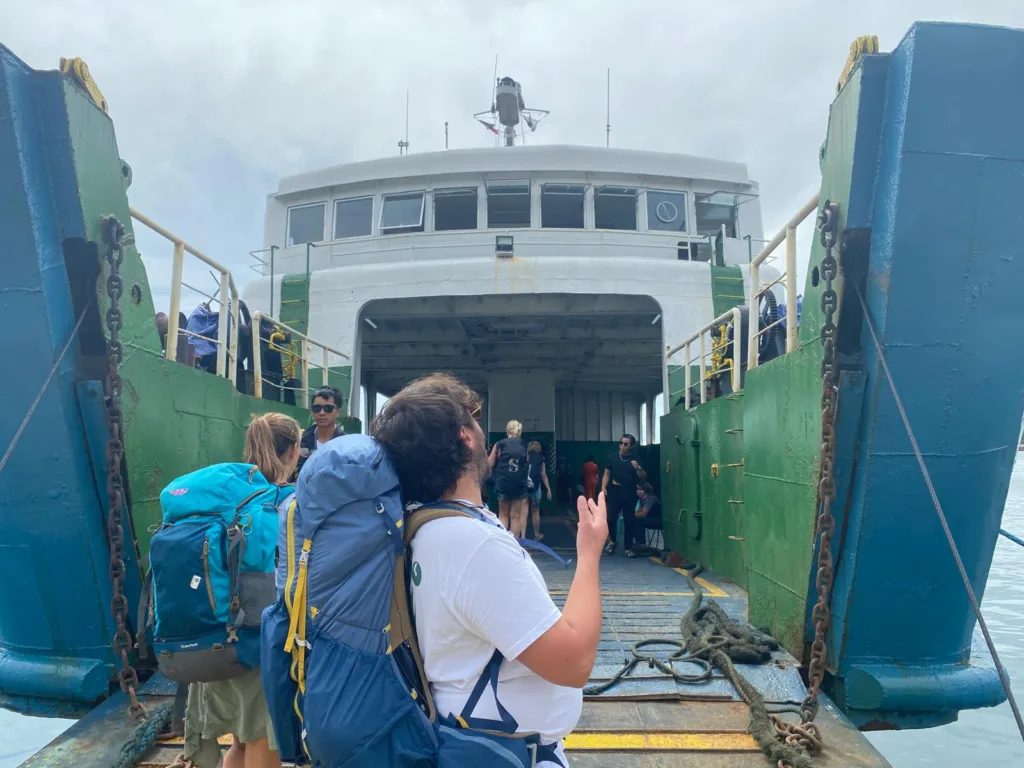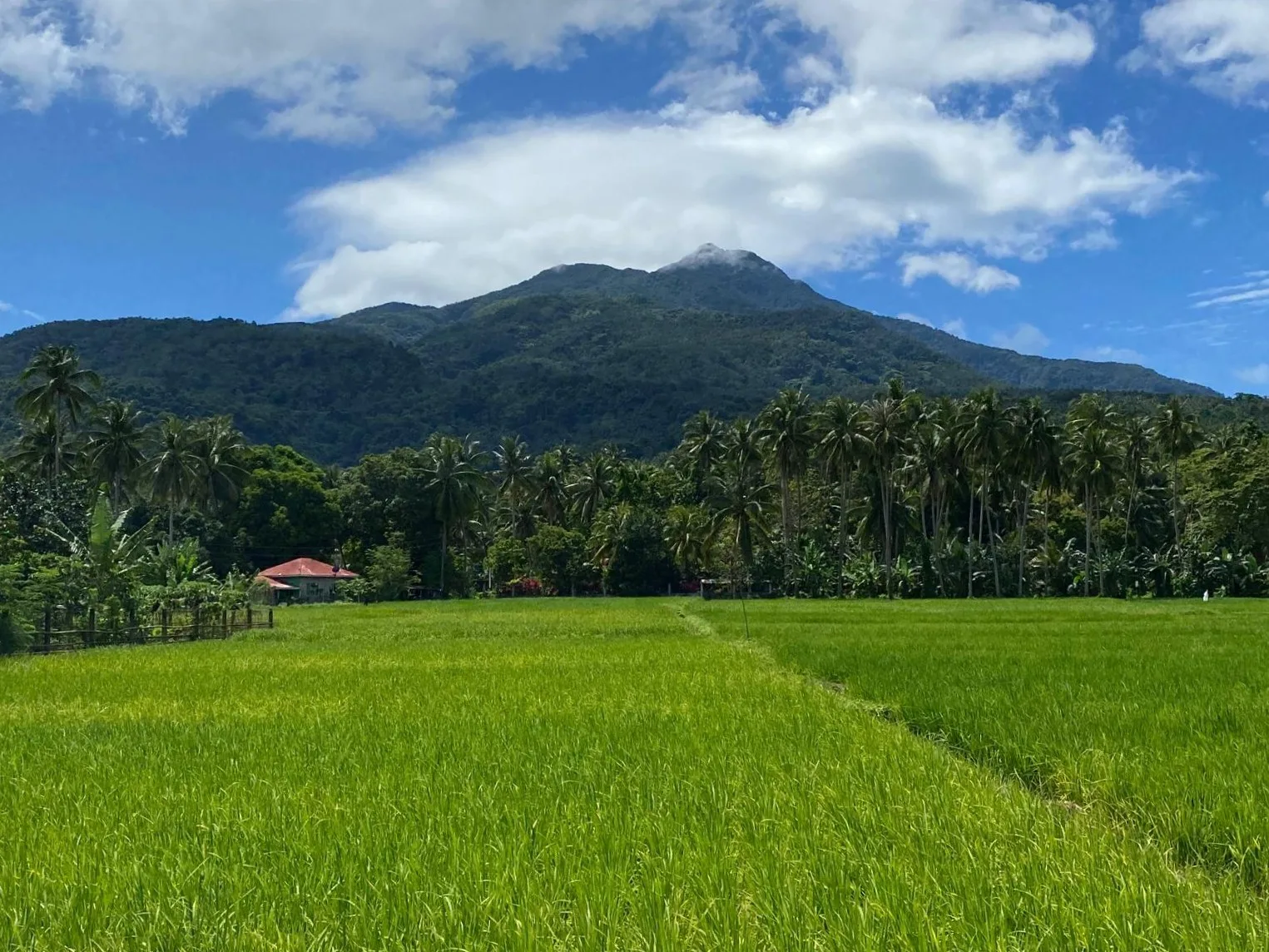
After spending a week on Siargao, we set off for the next island of Camiguin. The road to the seemingly inaccessible island took us all day, but provided plenty of beautiful views. In the morning we reached the town of Dapa, with which we took a ferry to Surigao. The whole trip was completely spontaneous, as we couldn’t find any bus schedule, so we counted on a bit of luck. Luck actually got us here, because just as we arrived at the station, our bus was leaving. The bus traveled 100 km in just 4 hours, and we were already in Butuan, where we waited for the next bus. Another 100 km and many hours later, we arrived in the small port town of Balingoan. Since it was already 10 pm and the last ferry to Camiguin Island was at 4 pm that day, we had to find accommodation in Balingoan. When we arrived at the place where we had planned to spend the night, we found that the hotel had gone bankrupt, and no longer existed for some time. Eventually we managed to find a room at the port itself, which was made for travelers like us 🙂
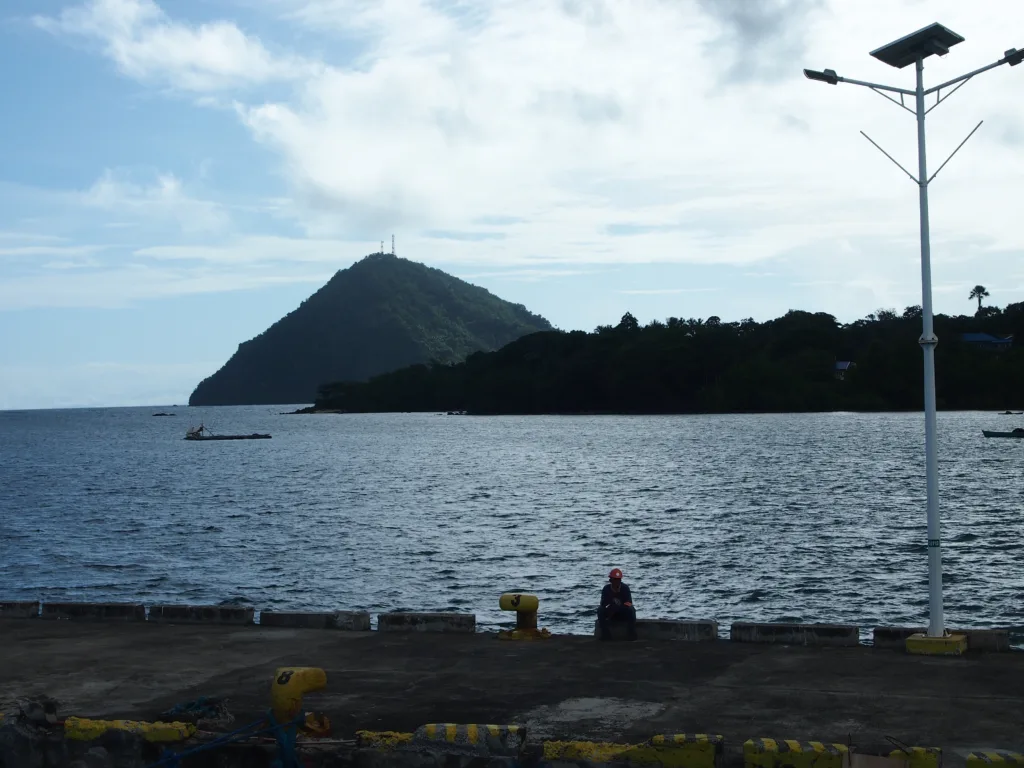
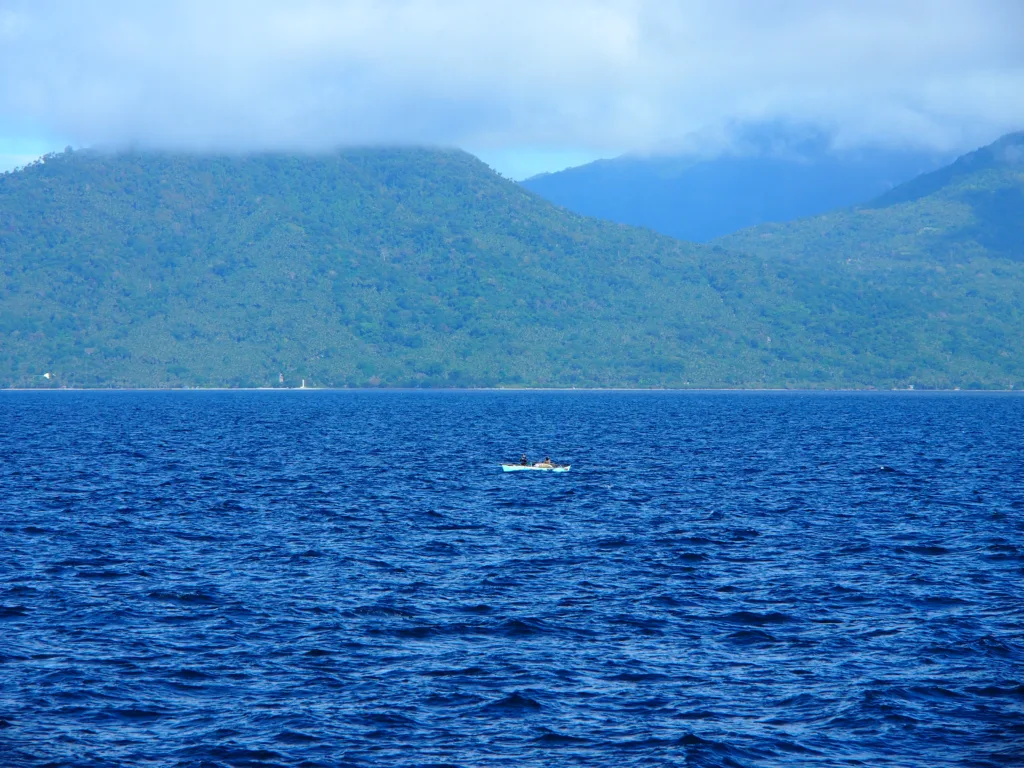
The next morning, just 24 hours later, we arrived on the island of Camiguin. From the very beginning we noticed that the island is different from Siargao. The island is home to the active Hibok-Hibok volcano, 1,332 meters above sea level. A more diverse vegetation changed our usual palm trees landscapes.
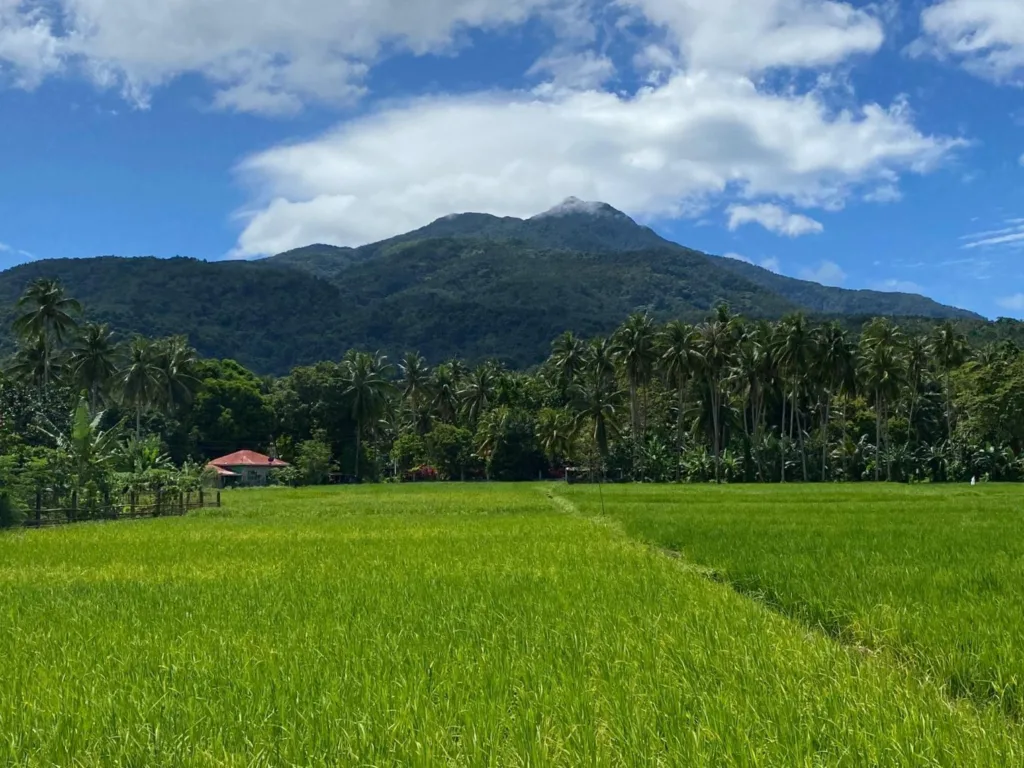
We started with breakfast at the restaurant next to where we slept. Both places were located around the lagoon. We then rented a scooter and went on a small tour. The weather was immediately much better than on Siargao. We reached a lookout point from which we could see the neighboring islet of Mantigue, which we planned to visit the next day.
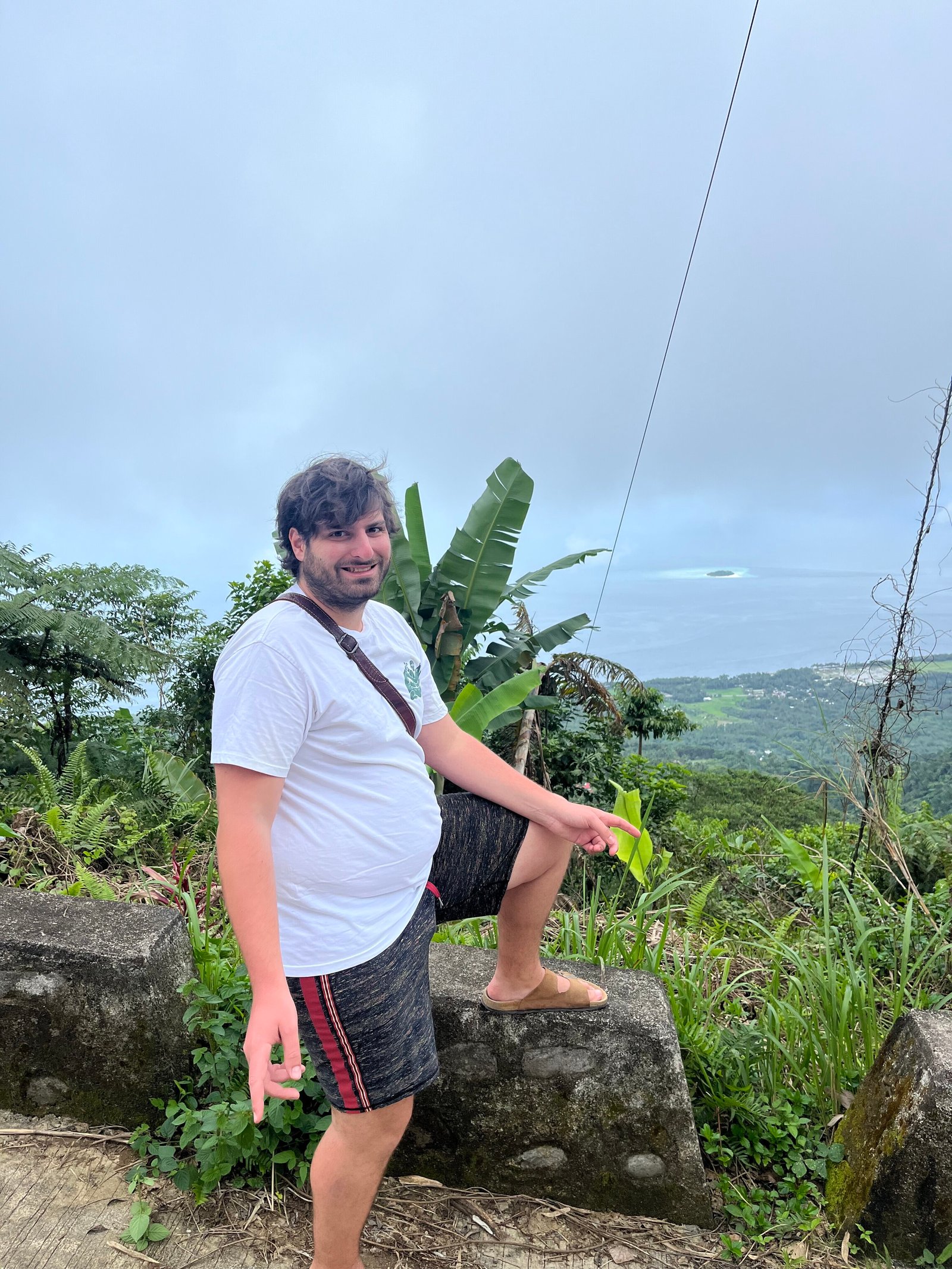
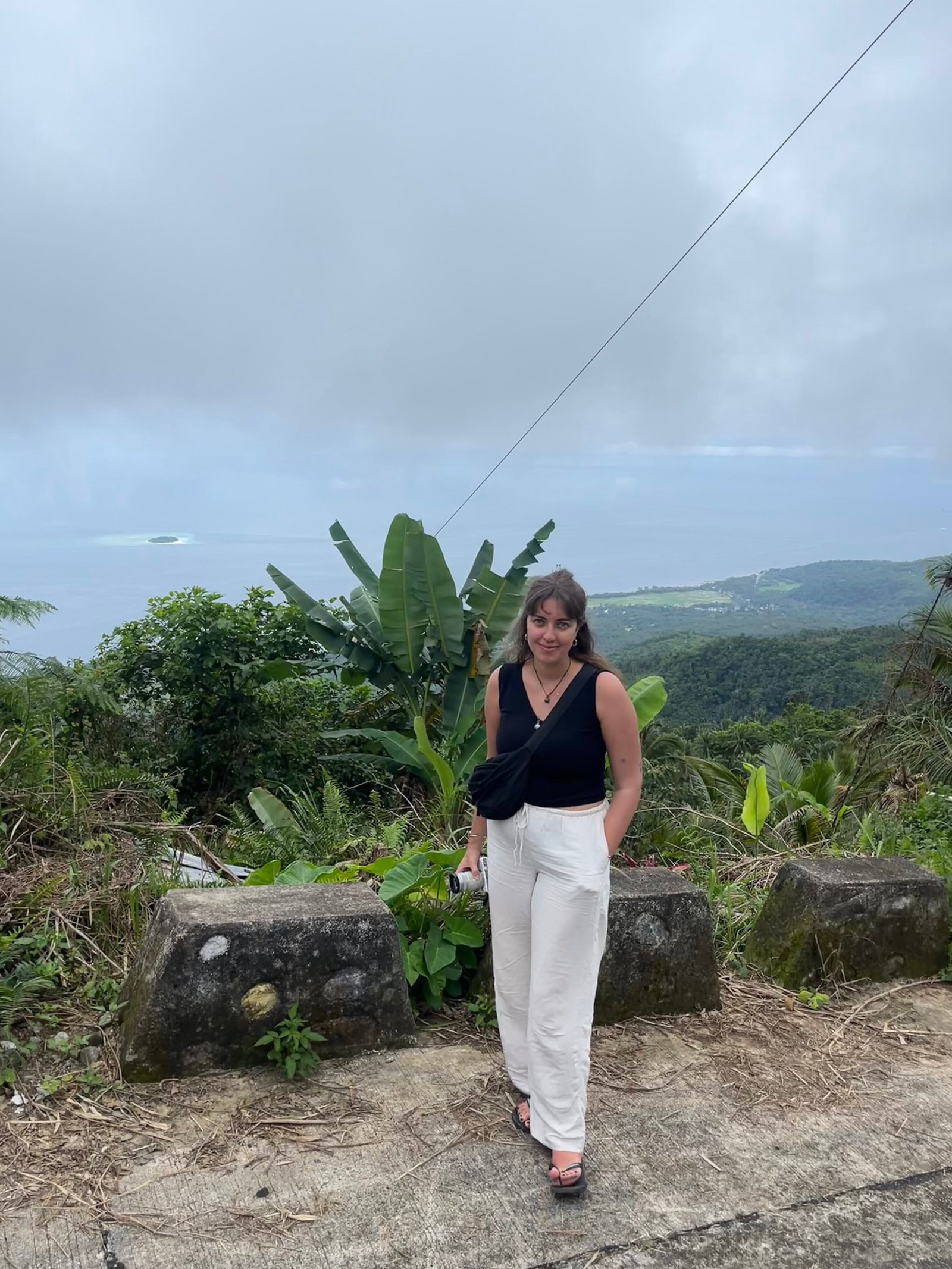
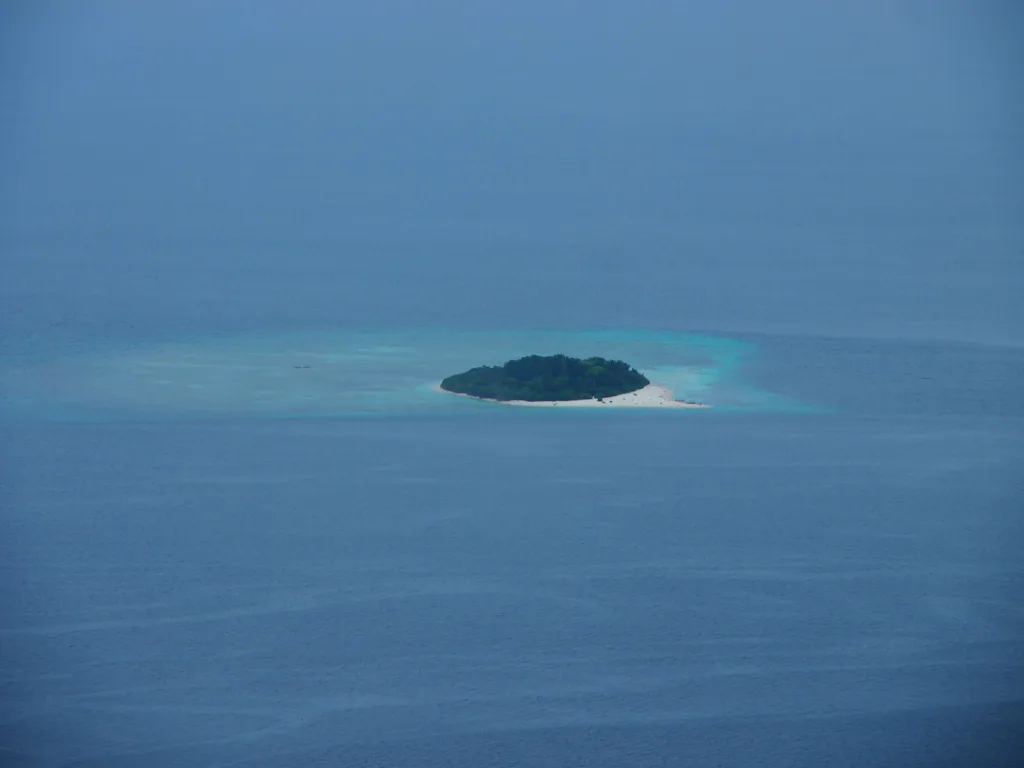
Mantigue is a small, uninhabited island with paradisiacal beaches and, above all, surrounded by a coral reef. We started the day by renting snorkeling equipment and after a 15-minute boat ride we were already in paradise. We were surprised at how few people were there. Although we quickly noticed that Camiguin is a much less touristy island compared to Siargao. We immediately grabbed masks and fins and headed for the water. Just a few meters away, we were shown a beautiful coral reef with countless multicolored fishes.
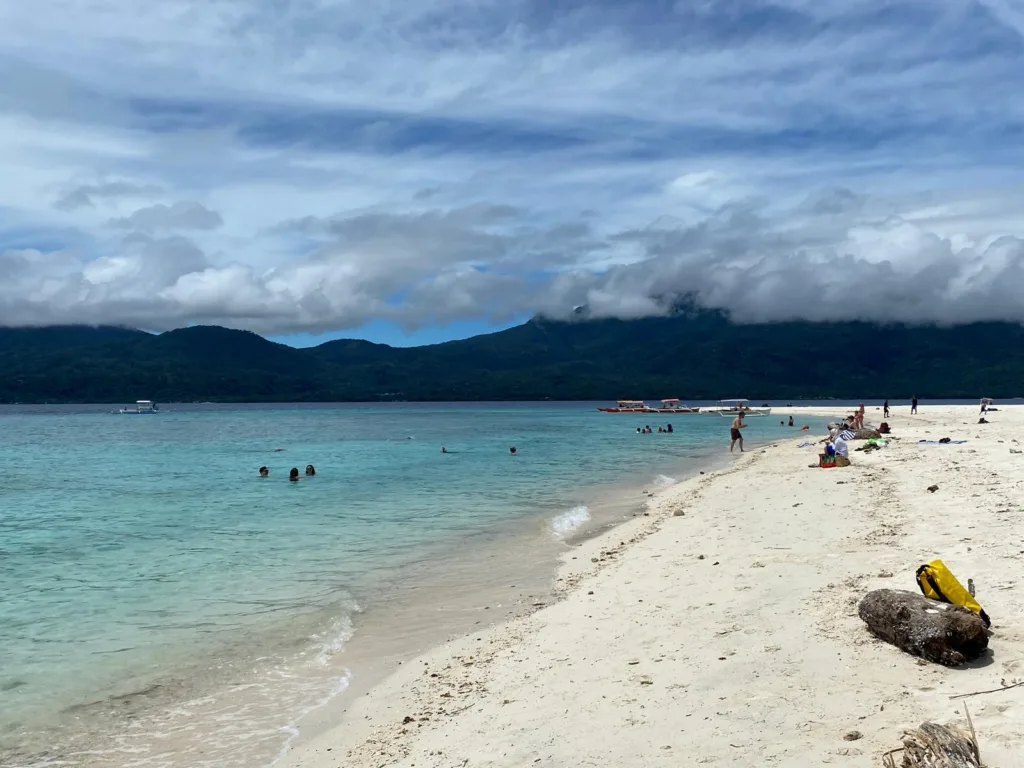
After returning from the island, we still didn’t have enough, so we headed to the south of the island where there was a marine sanctuary with giant clams. Unfortunately, the sanctuary turned out to be temporarily closed due to the protection of the area. For that, the snorkeling at the beach next to it was still very successful.
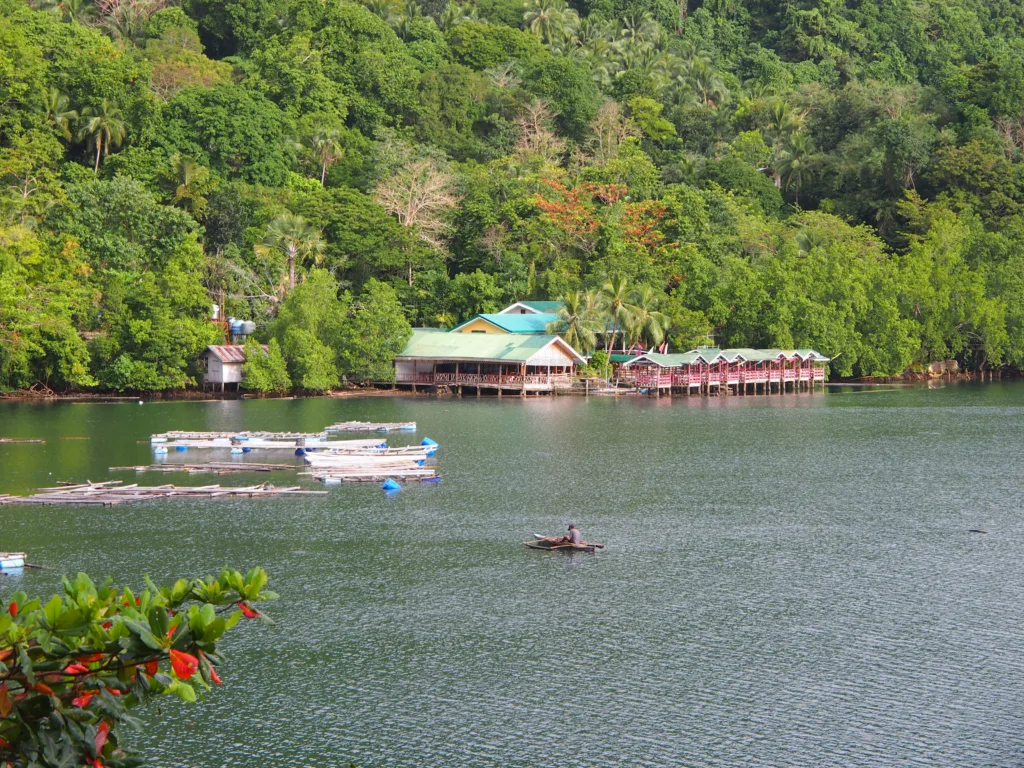
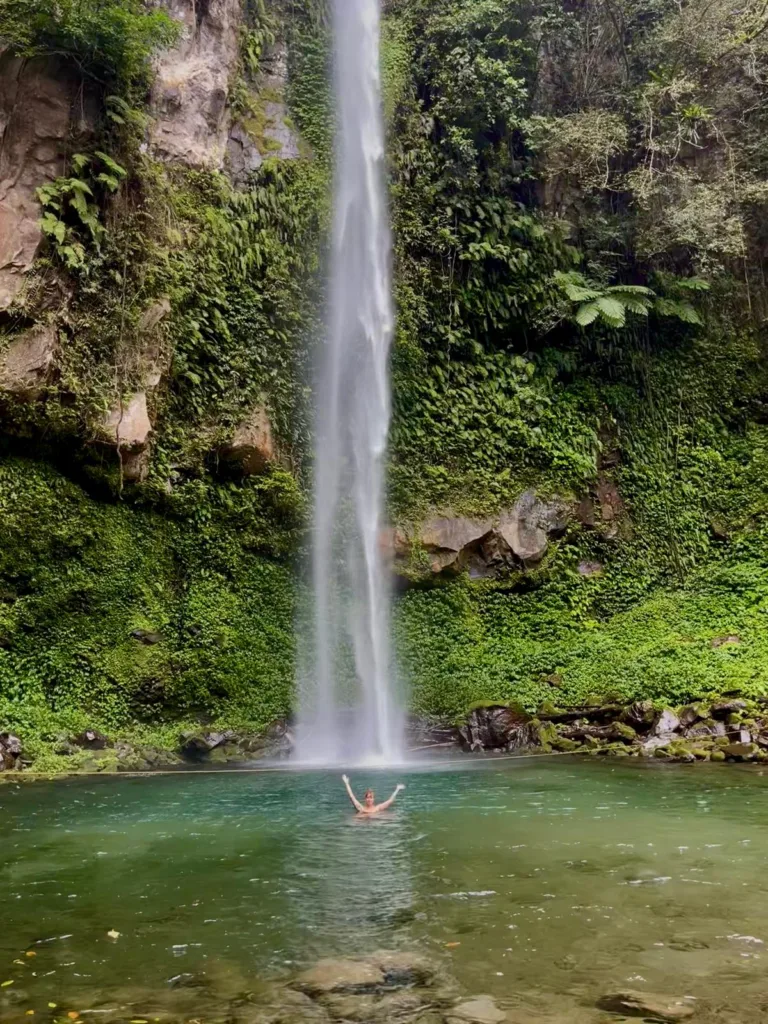
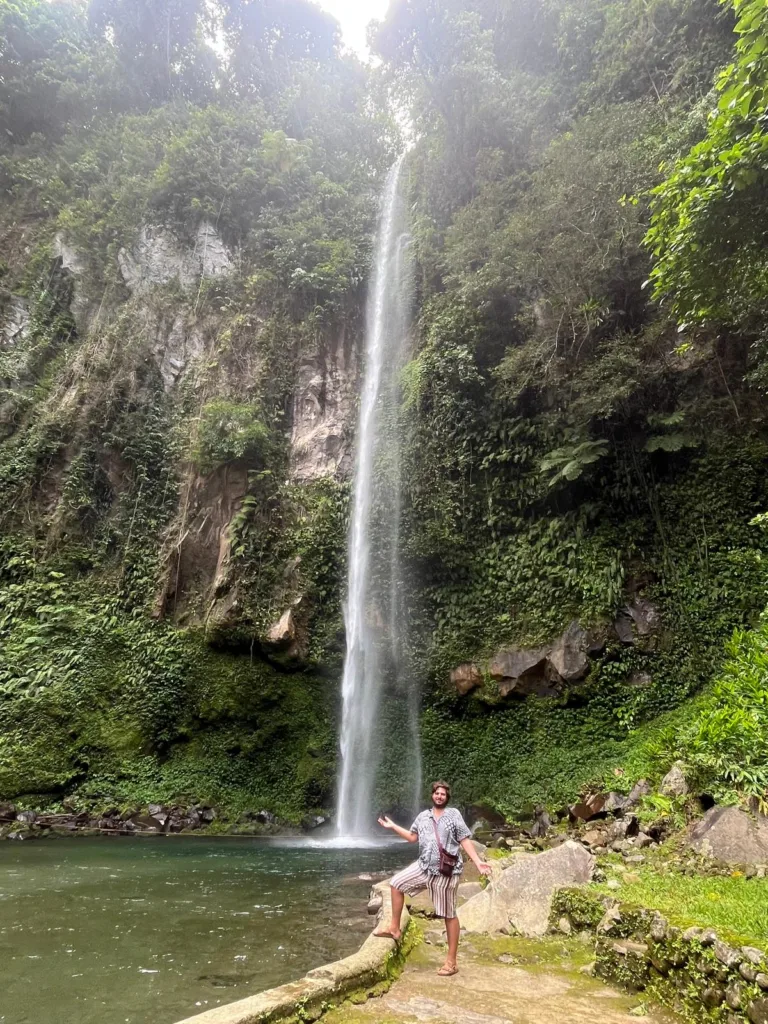
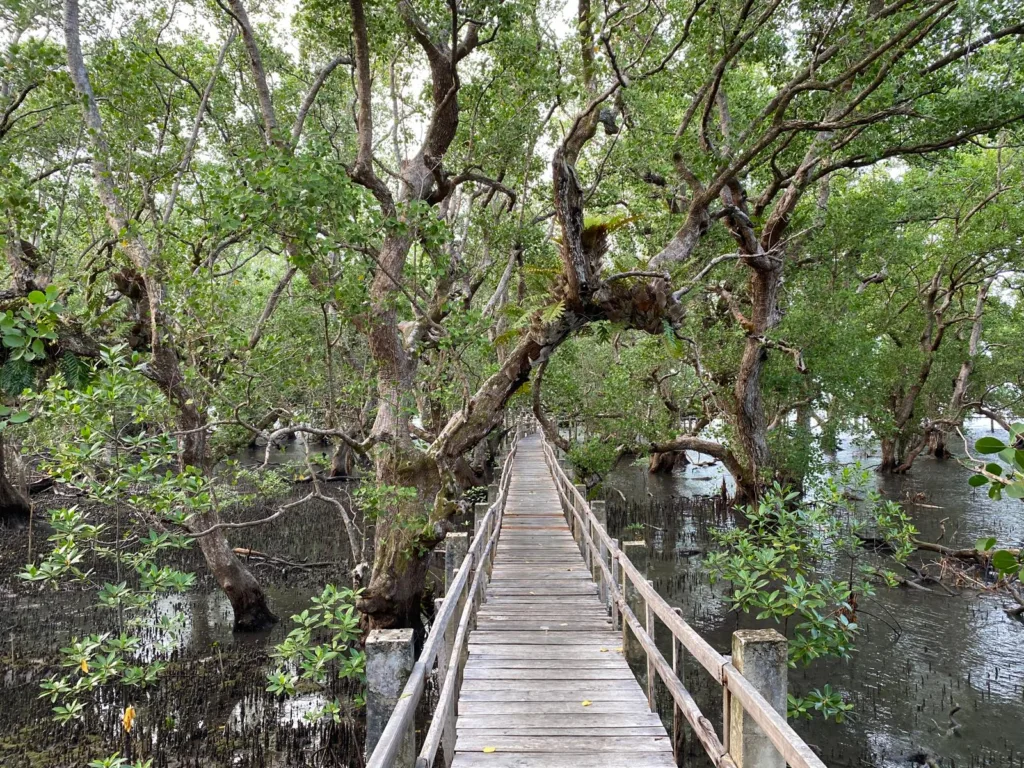
Unfortunately, it turned out that not everything marine benefits us. We both got food poisoning after eating shrimp, which unfortunately happens relatively often in this part of the world. Fortunately, a first-aid kit prepared by Gosia’s mother helped us pull ourselves together, and the next day we were slowly getting back on track. We even managed to visit the beautiful Tuasan waterfall and the Katunggan park full of Mangroves growing by the sea coast.
The next day, we checked out of our hotel and drove to the port to take the ferry to the next island. On the spot it turned out that this was the only ferry running in this direction, but unfortunately it broke down the previous day, and it is unknown when it will be repaired. Thus, we began another many hours of adventurous journey.